


What Is Keyword Research?
Keyword research is the first step of to cater the need and give what user wants in user journey.
Keyword research can help you plan a great content strategy and help you search engine discovers and show all the result which user is looking for.
What are keywords?
In SEO, keywords are the words and phrases people enter into search engines to find what they need. They are vital because they form the core of search engine optimization. The main aim of SEO is to rank your pages for the keywords your target audience is actually searching for. Without targeting the right keywords that people search often, your SEO efforts won’t have the desired impact.
Keyword research methodology
Create an user search persona.Keyword research involve discovering keywords which your user will search.These two tasks can provide you with some keywords worth pursuing:
- Create a list of Seed Keywords.
- Use a tool to generate more keywords.
Creating seed keywords
Your first job is to find your seed keywords – the phrases that you’ll begin your search with (and what you ultimately type into Google).
We need to understand the full persona of of our audience, some brainstorming might include:
- Who is my audience?
- What might be the intent of the search?
- What words are they using?
- Are we giving the answer to the user for what they are asking for?
When you’re done going through the questions, you should have some keywords for what your audience will write in the search form to find pages in your web site.
Common Keywords vs Long Tailed Keywords in SEO
What differentiates a generic keyword (like “Laptop”) and one with more specificity, like “Laptop with 32GB ram” is its level of detail and intentionality in SEO.
A broad keyword like “Laptop” is also a basic one and can serve various intent like.
- Laptop for kids
- Laptop for gaming
There are lots of things that search engines will show on this broad keyword. It’s way too simple to do anything about your content for.
By contrast, “Laptop with 32GB ram” is more specific and signals an interest in keeping laptop with more than 32 GB. Search engines recognize this and will give you result more specific to your search.
Besides, the seed keyword “laptop” is broad and competitive with high search volume. On the other hand, “Laptop with 32GB ram” is more targeted, luring in visitors that are interested in a particular topic. While the searches might be less, it is a very specific audience that you can get to click through back to your site.
Best keyword research tools
We need to decide which keyword is worth optimizing based on intent, Keyword Difficulty, volume and many other parameters. Many tools are available in the market and you can use as per your choice.
But, before rushing to any paid tools we can also take some of the advantage of free resources provided by Google.
Google offers many keyword suggestions directly in the search engine result pages. Features such as Google Autocomplete, People Also Ask or Related Searches can be a great source of keyword ideas.
With the autocomplete feature, you just need to type your seed keyword into the Google search and suggestions appear automatically.

These questions are related to your search terms and may be helpful as a next step.
Once you get an idea of some of the keyword, prepare a sheet and add them in your keyword research tools to to assist in identifying terms, phrases and additional keywords that relate to your intent of blog.
Some suggested SEO tools:
How to use Google Keyword Planner?
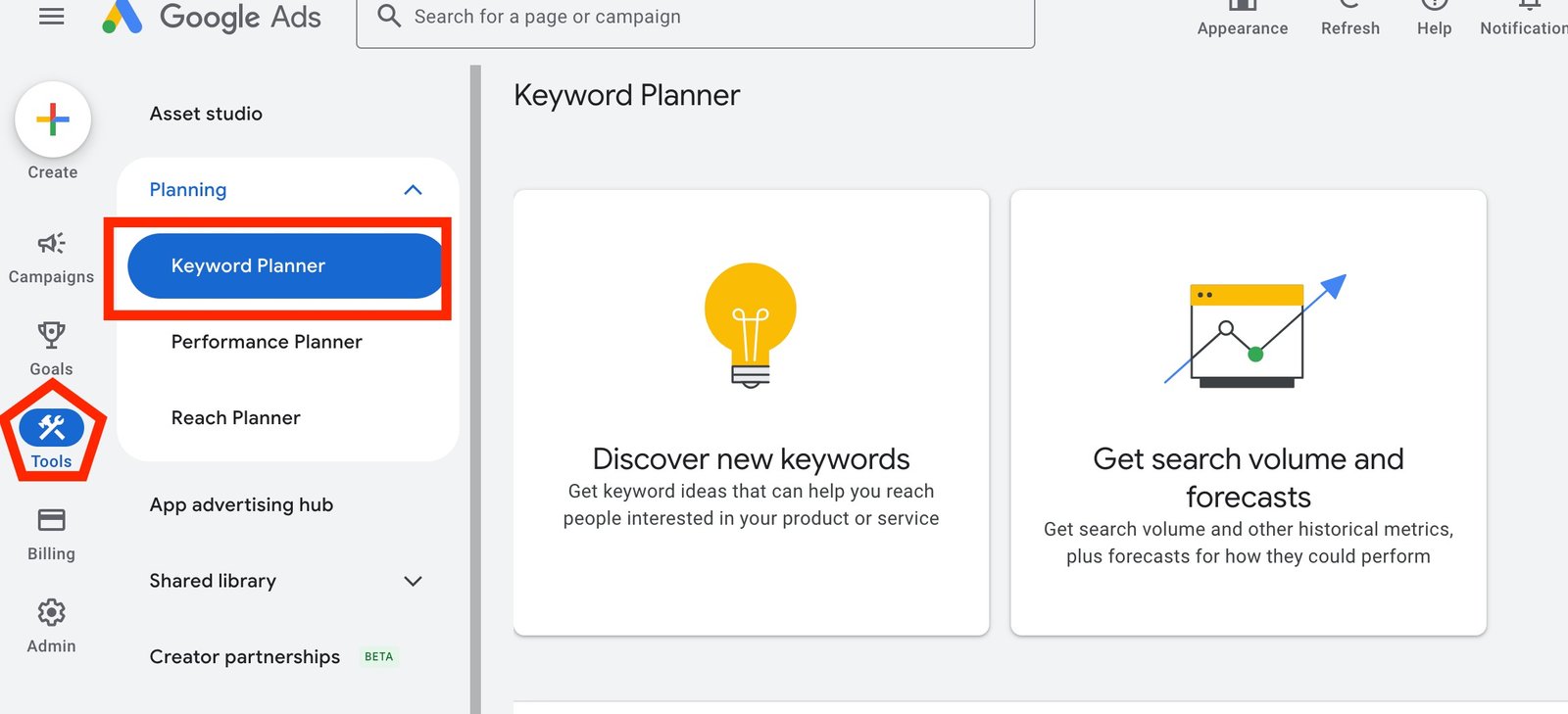
Google Keyword planner is part of Google Ads. Under the Tools > Planning we can find Keyword Planner.
We can use keyword ideas to search keyword by providing location. We can also add filters to these keywords and select according to our criteria.
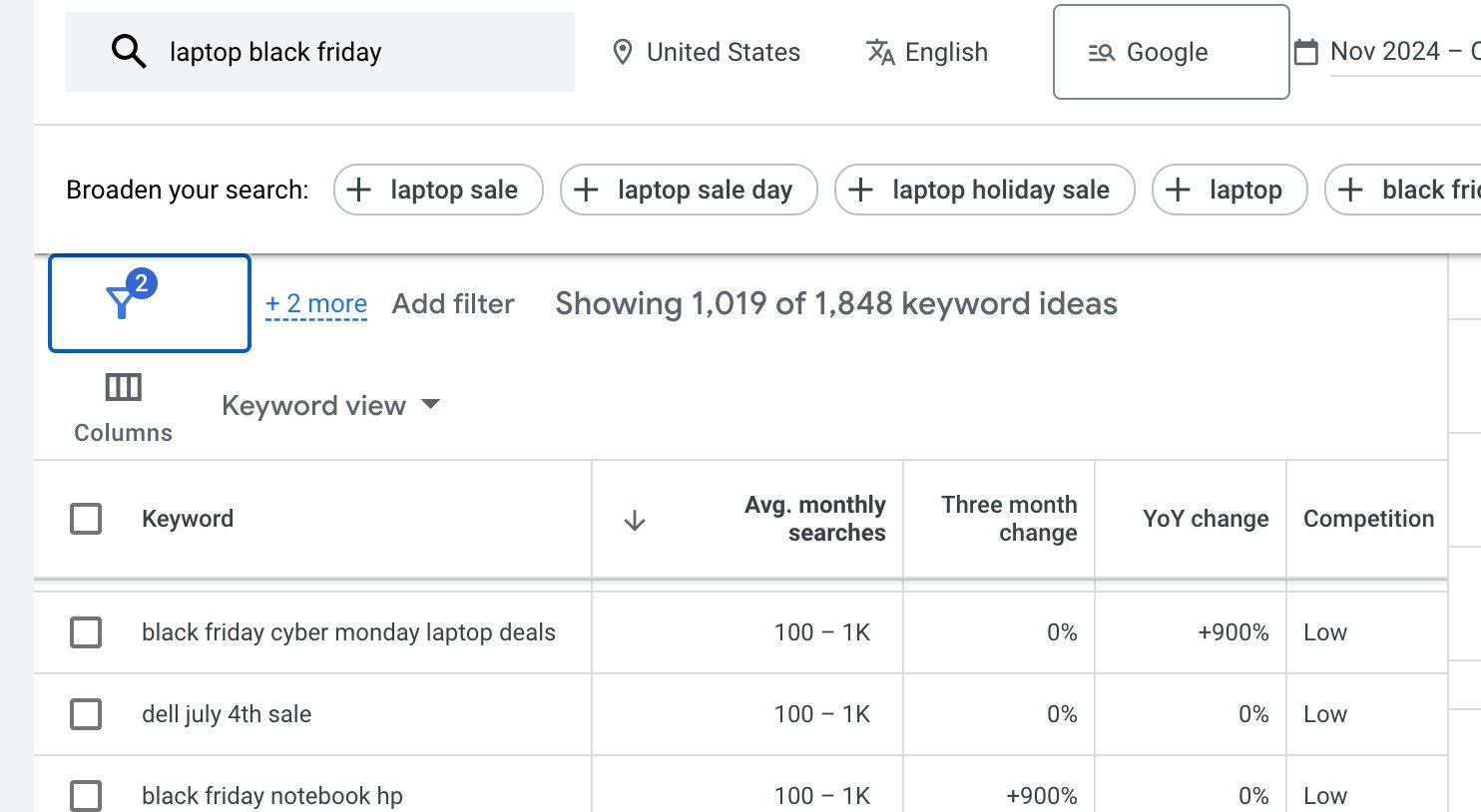
Semrush and ahref also provide user intent, keyword difficulty and volume as other tools.
Keyword research and competitor analysis
Once you find the target keyword, find the website that rank for your target keyword.You can also identify your industry to identify the top players.
Use tools like Semrush,ahref, or Google Keyword Planner to see which keywords they target in both their organic and paid campaigns. Some tools allow you to input a competitor’s URL to see a list of their top keywords.
We need to analyze our competitor content and strategy.
- Look for content gaps: Identify keywords your competitors rank for but you don’t. These are opportunities to create new content.
- Examine content quality: Analyze their top-ranking pages to understand content structure, length, and what topics they cover to find ways to go deeper or add more value.
- Study their backlinks: See where your competitors are getting their links from to find new backlink opportunities.
Choose and create targeted content.
- Select the most relevant keywords from your analysis.
- Create high-quality, optimized content that addresses user search intent better than your competitors.
- Incorporate on-page SEO elements like titles, descriptions, and internal links.
Track and refine. Continuously monitor your rankings and traffic to assess the impact of your efforts and adjust your strategy as needed.