
How to do SEO keyword research?
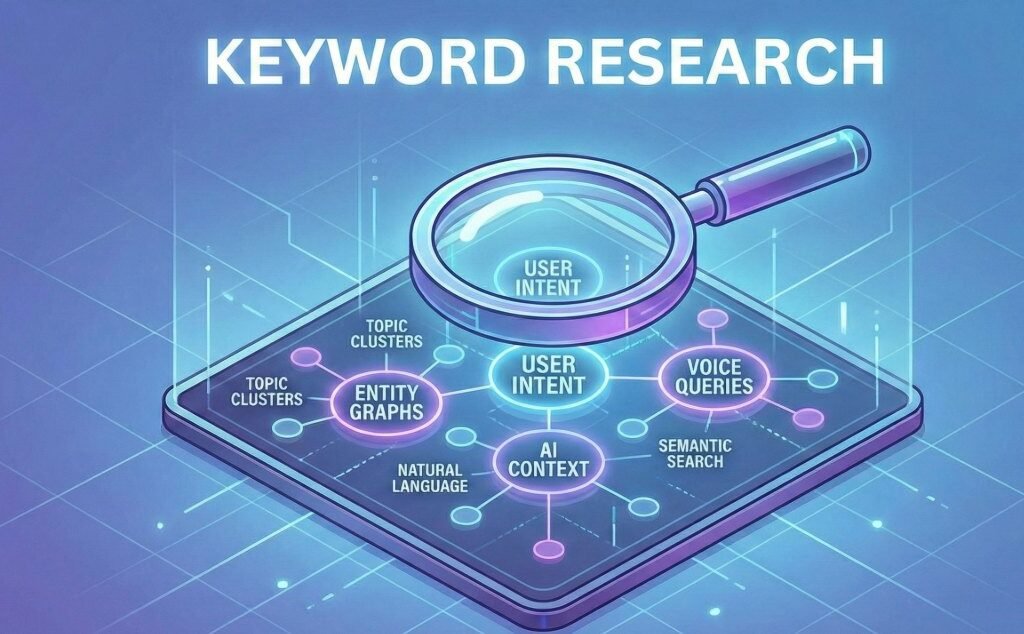
What Is Keyword Research? Keyword research is the first step of to cater the need and give what user wants in user journey. Keyword research can help you plan a great content strategy and help you search engine discovers and show all the result which user is looking for. What are keywords? In SEO, keywords are the words and phrases people enter into search engines to find what they need. They are vital because they form the core of search engine optimization. The main aim of SEO is to rank your pages for the keywords your target audience is actually searching for. Without targeting the right keywords that people search often, your SEO efforts won’t have the desired impact. Keyword research methodology Create an user search persona.Keyword research involve discovering keywords which your user will search.These two tasks can provide you with some keywords worth pursuing: Creating seed keywords Your first job is to find your seed keywords – the phrases that you’ll begin your search with (and what you ultimately type into Google). We need to understand the full persona of of our audience, some brainstorming might include: When you’re done going through the questions, you should have some keywords for what your audience will write in the search form to find pages in your web site. Common Keywords vs Long Tailed Keywords in SEO What differentiates a generic keyword (like “Laptop”) and one with more specificity, like “Laptop with 32GB ram” is its level of detail and intentionality in SEO. A broad keyword like “Laptop” is also a basic one and can serve various intent like. There are lots of things that search engines will show on this broad keyword. It’s way too simple to do anything about your content for. By contrast, “Laptop with 32GB ram” is more specific and signals an interest in keeping laptop with more than 32 GB. Search engines recognize this and will give you result more specific to your search. Besides, the seed keyword “laptop” is broad and competitive with high search volume. On the other hand, “Laptop with 32GB ram” is more targeted, luring in visitors that are interested in a particular topic. While the searches might be less, it is a very specific audience that you can get to click through back to your site. Best keyword research tools We need to decide which keyword is worth optimizing based on intent, Keyword Difficulty, volume and many other parameters. Many tools are available in the market and you can use as per your choice. But, before rushing to any paid tools we can also take some of the advantage of free resources provided by Google. Google offers many keyword suggestions directly in the search engine result pages. Features such as Google Autocomplete, People Also Ask or Related Searches can be a great source of keyword ideas. With the autocomplete feature, you just need to type your seed keyword into the Google search and suggestions appear automatically. These questions are related to your search terms and may be helpful as a next step. Once you get an idea of some of the keyword, prepare a sheet and add them in your keyword research tools to to assist in identifying terms, phrases and additional keywords that relate to your intent of blog. Some suggested SEO tools: How to use Google Keyword Planner? Google Keyword planner is part of Google Ads. Under the Tools > Planning we can find Keyword Planner. We can use keyword ideas to search keyword by providing location. We can also add filters to these keywords and select according to our criteria. Semrush and ahref also provide user intent, keyword difficulty and volume as other tools. Keyword research and competitor analysis Once you find the target keyword, find the website that rank for your target keyword.You can also identify your industry to identify the top players. Use tools like Semrush,ahref, or Google Keyword Planner to see which keywords they target in both their organic and paid campaigns. Some tools allow you to input a competitor’s URL to see a list of their top keywords. We need to analyze our competitor content and strategy. Choose and create targeted content. Track and refine. Continuously monitor your rankings and traffic to assess the impact of your efforts and adjust your strategy as needed.
How to do Technical SEO in Digital Marketing?
Business whether they are small business or large business while doing there SEO needs to consider Technical SEO as core. Its like the infrastructure which keep in track of crawling, indexing and rendering of search engines. In this post, you’ll learn the fundamentals and best practices to optimize your website for technical SEO. Let’s dive in. What is technical SEO? Technical SEO is the process of optimizing your website infrastructure so search engine can crawl, index and render your content easily. It also involves user experience factors. Such as making your website faster and easier to use on mobile devices. Unlike on-page SEO, which enhances content relevance, and off-page SEO, which emphasizes external trust signals like backlinks, technical SEO optimization validates the website’s server configurations, resource management, and structured data to support search engine efficienc Why technical SEO matters more than ever now? SEO has changed a lot from what it use to happen. Many things do not work which used to work earlier. Many Factors have reshaped Technical SEO AI-powered ranking systems change everything In the Age of AI algorithms Like BERT, MUM, and their successors don’t simply analyze content; they evaluate how well your technical implementation support. Search Engine relies on machine learning to understand and evaluate content. JavaScript dependency Mobile User Experience How Google actually processes your website? Any page before ranking on Google goes through following processing pipeline: What Are the Most Important Technical SEO Ranking Factors? What Are the Technical SEO Best Practices?
SEO in 2026 : The Beginner’s Guide

What is SEO and Why It Matters? SEO stands for search engine optimization. It is the process of ranking organically on any search engine. This can be Google, Bing, DuckDuckGo or any other search engine. SEO is essentials for any Businesses. Organic searches drives most website traffic.Rather than paying search ads in the sponsored section of google. Your website ranks organically for intent-based searches. If someone clicks on your organic listing, you don’t have to pay Google for it. In 2026, search engine optimization is more than just a strategy to boost search rankings. It’s a way to make your content more structured and visible for AI overviews, get promoted in featured snippets and zero-click results, boost the authority score of your website, and interlink your pages either via internal shortcuts to certain pages. How does SEO works? SEO helps to make your website available for relevant searches. This process works with key steps: Crawling,Indexing,Ranking. What is Crawlability? Google discover your webpages through a process called crawling. It has an inbuilt computer programs know as web crawlers (also called bots or spiders). These programs follow links between pages to discover new or updated pages. What Is Indexability? It means Google analyzes the page and its content and adds it to a database of billions of pages. What Is Ranking? It is the process by which Google determine the order in which it will display the webpages.Ranking is influenced by many factors, including the quality and relevance of content, page experience (like mobile-friendliness and speed), and the authority of a website, which is assessed partly by the links pointing to it. Why intent matters more than keywords in 2026? Search engines are getting smarter at understanding context, conversation, and intent. That means the traditional “search volume + low competition” formula is no longer enough. Search intent refers to the reason behind the user’s search.Understanding that goal helps you create content that actually satisfies the search rather than just ranking. There are 4 core types of intent At Informational intent type user wants to learn or understand anything. Content format at this level might include Guides, Tutorials and How-to. Commercial Investigation include users to compare or evaluate before a decision. Content format at this level might include listicles, reviews and comaparisions. At Transactional level user wants to make a purchase or take action. Content format might include Product pages,CTA’s and landing page. At Navigational stage a user want to discover a brand. Content format might include brand blogs, homepages etc. What Is On-Page SEO? On Page SEO is the process of improving everything on webpage to improve the search page ranking. Let’s discuss some key elements of SEO. Keyword Research : This is the first step to create a high quality content.When doing keyword research, consider how your page content falls into the buyer’s journey and visitors’ search intent. Visual Content: Images, Infographics plays an important role in SEO.Images can enhance the visual appeal and engagement of web pages. Page Titles: Titles tell both visitors and search engines what they can find on the corresponding pages. For better ranking try the focus keyword for each page in should be the title. Headers: These tags help organize your content for readers and help search engines distinguish what part of your content is most important and relevant, depending on search intent. Meta Descriptions: Meta descriptions are the short page descriptions that appear under the title in search results. It helps user decide whether or not your page will be clicked. Image Alt-Text : It tells Google and other search engines what your images are about.That means consumers may be discovering your site through your images. In order for them to do this, though, you have to add alt-text to your images. Structured Markup: It is the process of “marking up” your website source code to make it easier for Google to find and understand different elements of your content. Page URLs : Page URLs should be simple to digest for both readers and search engines. They are also important when keeping your site hierarchy consistent as you create subpages, blog posts, and other types of internal pages. Internal Linking: Internal linking is important for on-page SEO because internal links send readers to other pages on your website, keeping them around longer and thus telling Google your site is valuable and helpful. Mobile Responsiveness: Google started favoring sites that are optimized for faster mobile speeds — even for desktop searches. Site Speed: Whether viewed on a mobile device or desktop, your site must be able to load quickly. When it comes to on-page SEO, page speed counts big-time. What Is Off-Page SEO? It is the process which we do outside our website to improve the search ranking. Here are some of the important Off-Page SEO factors: Backlinks : These are the links to your website form other websites. It helps in building trustworthiness by google. Google Business Profile : Local business can get huge benefits from this. It helps Local business to appear on Google Map and Google Search. Social Media : Appearing on social media can boost your authority and brand awareness. Which may contribute to more traffic from search engines over time. NAP Citations: Name, address, and phone number (NAP) citations are mentions of information about your business—often in the form of online directory listings—that allow search engines to verify your information (to boost local SEO). Reviews and Ratings: The reviews and ratings you get on third-party platforms can affect your off-page SEO. Because they may appear in search results and affect your reputation. Conclusion: Going forward in 2026 on thing is clear apart from traditional concepts mentioned above what matter most in 2026 is E.E.A.T. E-E-A-T is an acronym created by Google that stands for Experience, Expertise, Authoritativeness, and Trustworthiness. Google uses E-E-A-T to evaluate the overall quality of a page, with emphasis on a page’s credibility, author, and website. E-E-A-T is important for SEO for a few reasons. E-E-A-T for SEO affects how users see